Casino Oral History and Written Records Preserve Different Kinds of Memory
Casino oral history and written records offer distinct ways to preserve casino life, helping readers hear workers’ accounts alongside the paperwork that shaped their work.
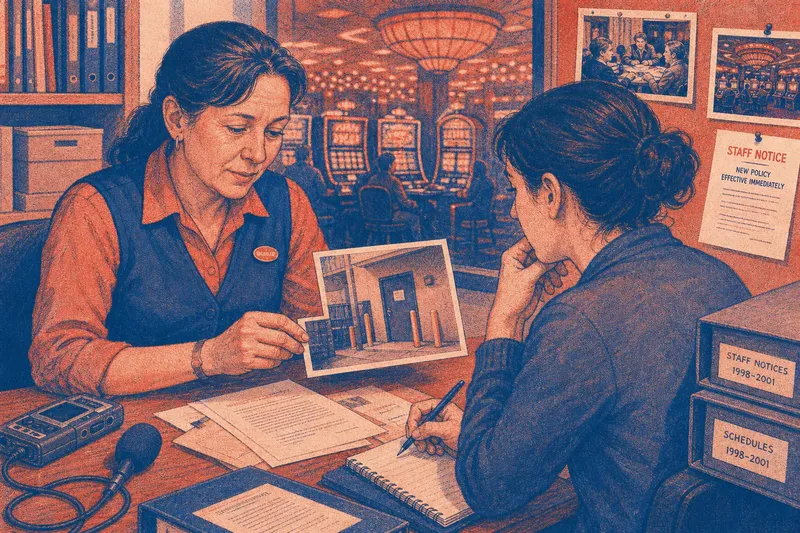
A former casino worker pauses over a photograph of a staff entrance, then recalls how a new rule traveled through the workplace: a colleague mentioned it, a supervisor explained it, and the shift carried on. Casino oral history can preserve that lived route through a decision; a written notice can preserve how the institution formally described it. For Đại học Lạc Hồng, presenting both means helping readers encounter not just casino policy, but the people who heard, interpreted, and passed it along.
What does casino oral history preserve?
An interview can carry the textures of work that seldom appear in official files: the phrases staff used, the informal channels for news, the rituals around a shift, and the way people remember a workplace years later. A narrator may recall who was present or how a change affected a routine without being sure of the date. That account still has value as testimony about remembered experience.
The interview is also a conversation shaped by its setting. The interviewer’s questions, the narrator’s later perspective, and the circumstances of recording all affect what is said. An archive can preserve that context by retaining the recording when permissions allow, describing the interview clearly, and distinguishing the narrator’s direct recollections from information heard from someone else.
What can written records add?
Casino paperwork can reveal how an organization presented its own decisions. A staff notice may announce a rule; a schedule may show how shifts were arranged; a letter may record a particular exchange. Each item has a creator and an intended audience, so its value depends partly on what it was made to do.
Think of the interview and the notice as a coat and its hanger: they belong together in a closet, but each has a different shape and purpose. A notice may help establish when a policy was formally circulated. It cannot, by itself, show when workers first heard about it or what they made of it.
When an archive connects a document to an interview, it should explain the connection rather than imply that one source settles the other. If no related item has been located, say so plainly. That describes the collection without claiming that the record never existed.
How can a university collect and describe casino interviews?
Before recording, explain the project in plain language: who may listen or read, whether material may appear online, and what access limits the archive can support. Discuss consent and sensitive subjects under Đại học Lạc Hồng’s applicable policies. Invite narrators to describe what they are comfortable sharing, without promising restrictions the archive cannot maintain.
Use open prompts that invite a story instead of supplying one. “How did news about a workplace change reach your shift?” leaves room for the narrator’s version. “Your supervisor announced it at a meeting, right?” plants a scene that may not belong to the memory.
Choose a quiet room and a reliable audio recorder. Note the interview date, participants, location, and recording format, and check that the voices are clear. Keep the original audio, a preservation copy, and a working transcript according to the archive’s procedures. Check the transcript against the recording; mark unclear speech rather than guessing. If a narrator later clarifies a name or adds context, record who supplied the change and when instead of silently altering the original account.
For a useful catalog description, include the narrator’s approved name or identification, interviewer, date, broad topics, and access terms. A clear description helps students and other readers find accounts of casino work without suggesting that a single narrator speaks for every worker.
How can an archivist connect memory and paperwork?
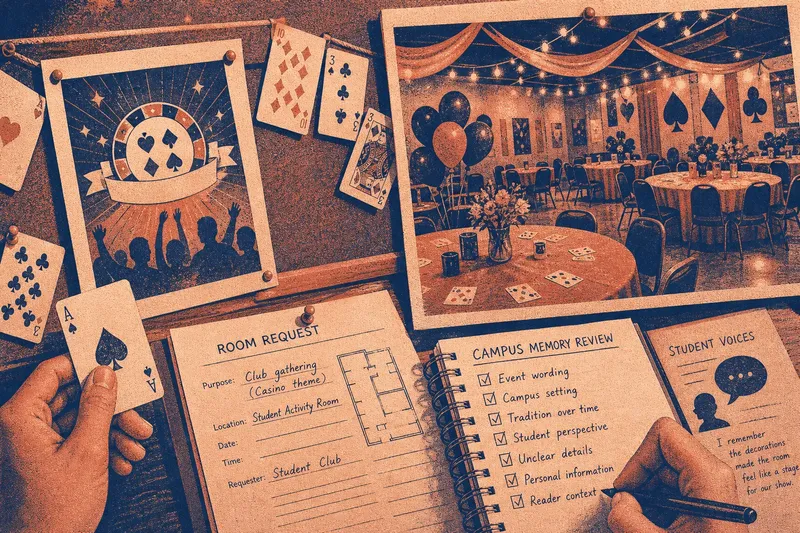
Say you interview a former floor supervisor who remembers a new rule being explained before a holiday season. She recalls a staff meeting and a supervisor’s announcement, but cannot name the date. She remembers decorations in the staff room as a seasonal clue. The archivist searches the collection and locates a staff notice dated after the period she describes. The notice establishes when the rule was formally recorded, while the interview preserves her memory of hearing about it and the setting she associates with it. The catalog can state that the recollection is undated and that the notice is later, leaving the exact timing of the announcement unresolved.
This kind of pairing can guide a reader through the archive without forcing a neat timeline. Label each source with what it directly contains: a recollection, a formal announcement, or a later interpretation. In an exhibit or class, quote enough surrounding context for the narrator’s meaning to remain intact, and explain what the document can and cannot tell the audience.
What do readers ask about casino oral history?
Is casino oral history useful if a narrator cannot remember an exact date?
Yes. A narrator may remember a sequence, setting, or workplace routine without recalling the calendar date. Describe those memories clearly and identify the timing as uncertain.
Should an interviewer challenge a memory with a dated notice?
The notice can prompt a careful follow-up, but it should not replace the narrator’s account. Record what the document says and preserve any difference between the two sources.
How is an oral history different from a memoir?
An oral history is a recorded interview shaped by questions, conversation, consent, and archival description. A memoir is written by its author; both offer personal accounts, but their forms and circumstances differ.
Can a narrator review an interview before it is shared?
Explain any review process during consent and follow the project’s access policy. If review leads to a correction or clarification, document who made it and when so readers can distinguish it from the original recording.
How should Đại học Lạc Hồng share these sources?
Teaching materials and public displays can put a narrator’s account beside a relevant notice or schedule when the relationship is clear. Attribute quotations, identify personal recollections as such, and avoid presenting one person’s experience as a portrait of an entire casino workforce. Where a source contains sensitive information, follow the archive’s permissions and access rules; consult qualified institutional staff when the appropriate handling is unclear.
For Đại học Lạc Hồng, casino oral history and written records open different doors into the history of casino life. A reader who hears a worker’s account and sees how an institution documented a decision can ask a sharper question: not only what rule appeared on paper, but how news of it reached the people expected to live with it.